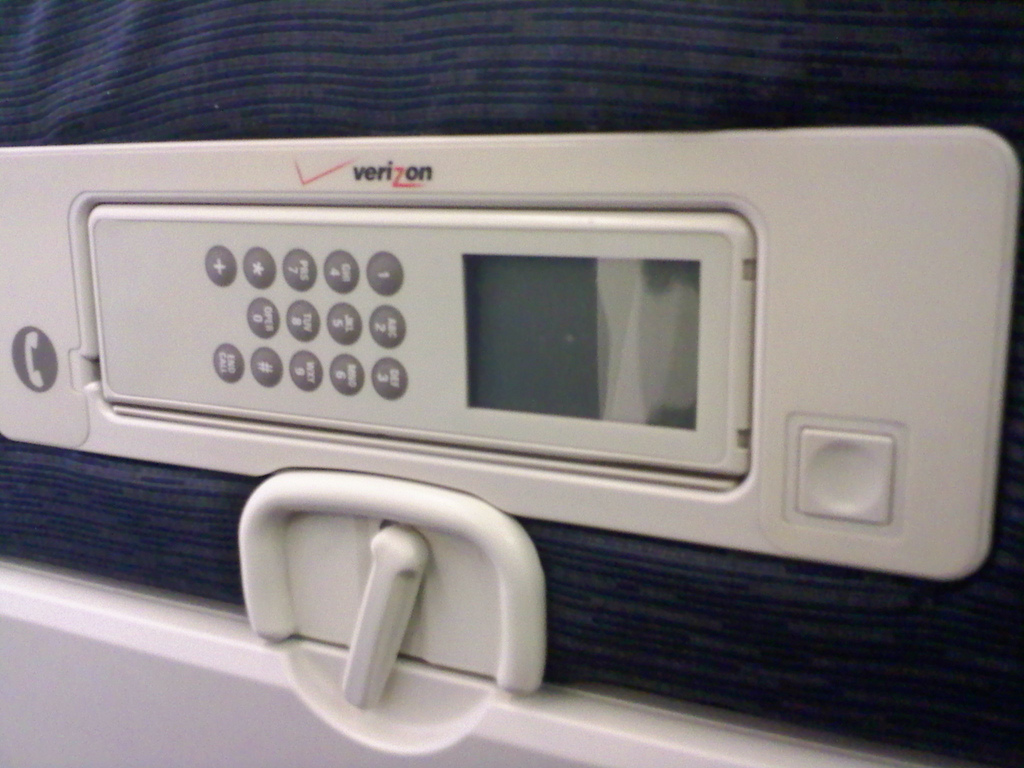
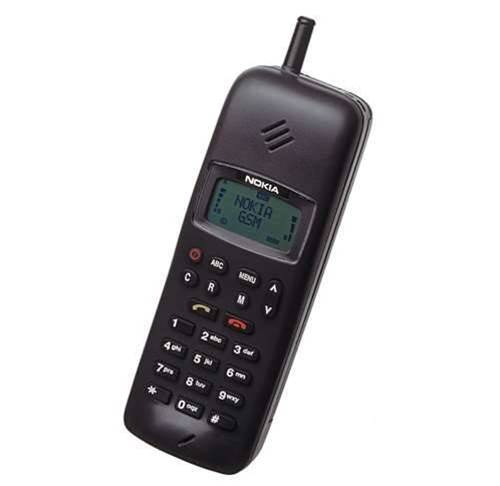
- Encrypted 2G Digital (GSM) 1993 Narrowband, with a 20ms voice frame, an 0418 prefix, Telstra in April, Optus in May, Vodafone in October
Ericsson and Alcatel were Telstra's launch partners. Low takeup till 1996-1997, Internet access over landlines, GPRS Internet not arriving till 2001. 2G shut down in Australia Dec 2016 & Jun 2018 with Vodafone
An alternative digital technology CDMA (that didn't employ Sim cards) was rolled out in the US by Qualcomm in 1995 and by Telstra in Australia in September 1999, having a similar transmission reach to AMPS. Shut down in 2008.
- SMS in Australia was offered by Telstra in 1994, similar to a pager service, so customers could read messages, not respond to them. It followed the world's first SMS text message "Merry Christmas" sent on December 3 1992 by British software engineer Neil Papworth.
In 1995 Telstra, Optus and Vodafone allowed SMS messages to be sent from customers mobile phones, but only between customers of the same carrier. It wasn't until April 2000 that the three carriers launched inter-carrier SMS.
In 2003 MMS (Multimedia) launched. According to Telstra, between 2002 and 2012 SMS messaging grew from 1.01 billion to 12.05 billion
- Back to 1999. Blackberry pager and "push" email, Telstra in 2002
- Wi-Fi 1999 short range wireless networking utilizing LBT-Listen (say 20ms) Before Talk (say 4s) and promoted by the Wi-Fi Alliance in the US. Based on WaveLAN, sold by AT&T and NCR and Lucent Technologies, following its debut in 1990. While the 900 MHz models and the early 2.4 GHz models operated on one fixed frequency, the later 2.4 GHz cards as well as some 2.4 GHz WavePoint access points had the hardware capacity to operate over ten channels, ranging from 2.412 GHz to 2.484 GHz, with channels available determined by the region-specific firmware. In Australia, CSIRO developed its own prototype from 1992
- Bluetooth 1999 short range wireless pairing (up to 100 metres) utilizing Frequency-Hopping between sender and receiver. Launched via Ericsson and IBM, plus Intel who came up with the name, and in 2002 Apple, a major player in audio streaming
- 3G (W-CDMA) Telstra (initially Syd-Melb only) 2002, Hutchison 2003, Optus 2005, Telstra Australia-wide Oct 2006. 3G shut down in Australia Oct 2024
- Skype (VoIP telephony) in 2003 a fore-runner of Zoom. Ran on a centralized login server via Kazaa-like supernodes, and localized "buddy-lists". Grew to 136 million users in 2006, with links to wholesale international telephone carriers UK Cable & Wireless (Vodafone), US iBasis, and Level 3 (Lumen).
After 2011 a division of Microsoft, replaced by MS Teams in May 2025
- 4G (LTE) launch 2011
- Miracast 2012 Wi-Fi Direct, Media Mirroring, also called Casting (Windows), Smart Share (LG), Chromecast (Google), Airplay (Apple). Devices attaching on their one-on-one Wi-Fi connection
With Windows 10 Creators Update released in March 2017, also known as version 1703, Microsoft implemented Miracast wireless projection of the Windows screen using the existing Wi-Fi network. It enabled, for example, the Smart TV receiving the realtime streaming of the Windows display and audio to be on a wired Ethernet connection, as well as Wi-Fi, with Windows prioritizing the faster connection
- 5G launch 2019
- Ericsson's provision technology to Australia